
The Ultimate Guide to Off-Page SEO: 18 Game-Changing Techniques for 2026

Updated: Aug 18
Executive Overview: Why Off-Page SEO Still Dominates in 2026
If you think off-page SEO is just about getting backlinks, you're leaving massive ranking potential on the table. In 2026, off-page SEO accounts for approximately 50% of Google's core ranking factors—more than on-page optimization alone.
Here's what most SEO professionals miss: Off-page SEO isn't a checkbox to complete. It's a comprehensive ecosystem of trust signals, authority indicators and reputation metrics that search engines use to determine whether your website deserves to rank above competitors.
After 20+ years in SEO, I've watched the landscape shift from simple link exchanges to sophisticated authority networks. Today's winners are those who understand that off-page SEO is about building genuine influence in your industry—and search engines reward that authenticity.
What Is Off-Page SEO? The Complete Definition
Off-page SEO encompasses every action taken outside your website to improve its search visibility, authority, and reputation. Unlike on-page SEO (which focuses on optimizing your content, technical structure, and internal linking), off-page SEO relies on external signals—backlinks, brand mentions, reviews, social engagement and industry recognition.
Think of it this way: On-page SEO tells Google what your page is about. Off-page SEO tells Google why it should trust what you're saying.
The Core Philosophy Behind Off-Page SEO
Off-page SEO works on a fundamental principle that Google's founders built into their algorithm from day one: web-wide citation networks indicate relevance and authority.
When a reputable website links to you, it's essentially saying, "This source is trustworthy." When multiple high-authority sites mention your brand, even without linking, Google infers that you're becoming an industry fixture. When your customers leave positive reviews across the web, you're signaling legitimacy to both users and algorithms.
This is why off-page SEO takes longer than on-page optimization—you're building an external reputation that can't be faked with just better keywords or faster page speed.
On-Page vs. Off-Page SEO: Understanding the Balance
Aspect | On-Page SEO | Off-Page SEO |
Focus | Content & structure optimization | External authority building |
Key Elements | Keywords, meta tags, headers, readability | Backlinks, mentions, reviews, social signals |
Timeline | 4-8 weeks to see changes | 3-6 months for measurable impact |
Control | Complete control over implementation | Dependent on external sources |
Google Weight | ~50% of ranking factors | ~50% of ranking factors |
Measurement | GA4, Search Console, on-page metrics | Backlink profiles, domain authority, mentions |
The critical insight here: You cannot succeed with only on-page or only off-page SEO. The best-ranking websites excel at both. They have meticulously optimized content that's worth linking to, and they've invested in building the external authority that makes Google trust their ranking position.
The 18 Most Effective Off-Page SEO Techniques for 2026
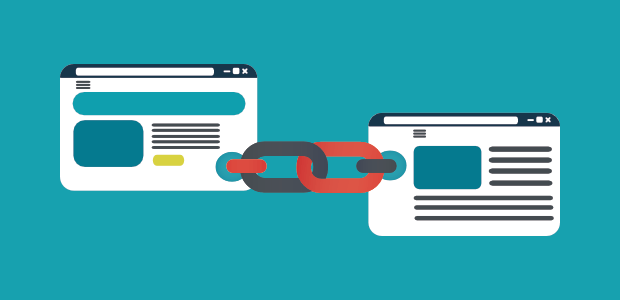
1. Strategic Link Building (Backlinks): The Foundation of Authority
What it is: Acquiring hyperlinks from external websites back to your domain, using these links as endorsements of your content quality.
Link building remains the most powerful off-page SEO signal because it mimics real-world recommendation patterns. When someone links to your resource, they're vouching for it—and Google has built its entire ranking system around this concept.
Implementation Strategy:
Tiered Link Building Approach:
Tier 1: Links from DA 50+ authoritative sites in your exact niche
Tier 2: Links from DA 30-50 relevant industry sites
Tier 3: Links from local, niche-specific directories and resource pages
Focus on Tier 1 links first. One link from a highly authoritative, relevant source (like a major industry publication) is worth 10-15 links from medium-authority sites.
Advanced Tactic - The "Skyscraper Method 3.0":
Identify top-ranking pages in your niche using SEMrush or Ahrefs
Find all sites linking to these pages
Create content that significantly improves on the original (more comprehensive, current, better designed)
Reach out to linking sites with a personalized pitch explaining the improvement
Track which sites link to your version
The key difference from basic link building is the emphasis on incremental improvement. You're not just asking for a link—you're offering websites the opportunity to link to better content than what they're currently referencing.
Dofollow vs. Nofollow: Understanding the Distinction
Dofollow links pass authority (link juice) from the referring domain to your site. Google counts these when calculating your domain authority. Nofollow links tell Google not to pass authority, though they still drive referral traffic and brand visibility.
Pro tip: A healthy backlink profile contains approximately 80% dofollow and 20% nofollow links. If your profile is 95%+ dofollow, Google might interpret it as artificial link manipulation.

2. Guest Posting: Becoming a Published Authority
What it is: Writing and publishing original articles on other websites, with an author bio and link back to your site.
Guest posting serves dual purposes: it positions you as an expert while earning high-quality backlinks from established publications. In 2026, the quality bar for guest posts has risen significantly—low-effort posts get rejected, but genuinely insightful contributions get shared across entire industries.
Step-by-Step Guest Posting Process:
1. Research Phase (3-4 weeks before pitching)
Use Ahrefs or SEMrush to identify websites accepting guest posts
Search for "write for us," "guest post," "contribute," "guest author" + your keyword
Create a prioritized list of 20-30 target sites
Read 3-5 existing guest posts from each site to understand their style, depth, and audience
2. Relationship Building (2 weeks)
Comment thoughtfully on 2-3 articles from each target site
Share their content on your social media with genuine insights
Follow their social profiles and engage authentically
3. Pitch Development
Craft 3-5 unique topic ideas tailored specifically to their audience
Reference a recent article they published and explain how your piece complements it
Include your 2-3 best previous published pieces (not press kit)
Address the editor by name, not "Dear Editor"
4. Content Creation (high-quality bar)
1,000-3,500 words, thoroughly researched
Original data or research (not regurgitating existing content)
Include 2-3 unique visuals, charts, or infographics
1-2 internal links to your most important resources
Author bio with credentials and one contextual link
Measuring Guest Post ROI: Track not just backlinks, but referral traffic from each post, branded search increases and downstream conversions from readers who found your site through the guest article.

3. Broken Link Building: The Underutilized Opportunity
What it is: Finding broken external links on other websites and offering your content as a replacement.
This technique has been around for years but remains underutilized because it requires more effort than basic link requests. However, broken link building has one of the highest conversion rates for earning links because you're solving a real problem for webmasters.
Tactical Implementation:
Phase 1: Broken Link Discovery
Identify 50-100 competitor sites and resource pages in your niche
Use Check My Links (Chrome extension) or Screaming Frog to crawl for broken links
Filter for broken links that are relevant to your content
Note the anchor text and surrounding context
Phase 2: Content Matching
Don't just offer a replacement link—ensure your content substantially improves on what they originally linked to
Update your piece if necessary to match the original link's context
Create a side-by-side comparison showing why your resource is superior
Phase 3: Outreach
Find the website owner's email (usually through WHOIS, LinkedIn, or site contact form)
Mention the broken link naturally in your first sentence
Explain what they linked to originally
Offer your content as a better replacement
Keep it to 2-3 sentences
Advanced angle: Search for links that have been broken for 6+ months. If they haven't fixed it themselves, they're more likely to accept a replacement.

4. Strategic Social Media Presence: Beyond Vanity Metrics
What it is: Using social platforms to amplify content reach, build community engagement, and generate brand signals that influence SEO.
In 2026, the relationship between social media and SEO has evolved beyond simple traffic generation. Google's algorithm now considers social signals as one component of your broader E-E-A-T assessment, particularly brand mentions and social engagement as indicators of trustworthiness.
High-Authority Platforms to Prioritize:
LinkedIn (DA: 98) - B2B authority
Twitter/X (DA: 94) - Real-time industry discussion
Facebook (DA: 96) - Broad audience reach
YouTube (DA: 100) - Video-first algorithm
Instagram (DA: 93) - Visual content and brand discovery
Strategic Social Content Framework:
Content Distribution Hierarchy:
Cornerstone content (published on owned site first, then distributed socially)
Exclusive social insights (research snippets, behind-the-scenes, data previews)
Social-only engagement content (polls, questions, trending discussions)
Industry commentary (news coverage, expert takes, thought leadership)
LinkedIn Strategy for B2B Authority:
Share 3-4 original insights weekly (not just links to your blog)
Engage with 15-20 posts from industry leaders daily
Host monthly LinkedIn Live sessions
Build a focused follower base (5,000-50,000 engaged followers outweigh 100,000 unengaged)
Video-First Approach on YouTube:
70% of your content strategy should be video by 2026
Long-form tutorials and educational content (10-20 minutes)
Embed links in descriptions and cards
Optimize video titles and descriptions for SEO keywords
The Social Engagement Multiplier Effect: When social content gets high engagement (shares, meaningful comments, saves), people are more likely to link to your original content, creating a virtuous cycle of increasing authority signals.
5. Brand Building and Unlinked Mentions
What it is: Generating mentions of your brand across the web, even when those mentions don't include a direct link.
This is where many SEOs miss a major opportunity. Google's algorithm increasingly values brand mentions as trustworthiness signals. An unlinked brand mention on a high-authority site is almost as valuable as a link—Google can infer the relationship and it's harder for competitors to manipulate.
Unlinked Mention Generation Playbook:
1. Press Release and Media Outreach
Create newsworthy announcements about product launches, partnerships, or significant milestones
Distribute through both paid PR services (PRWeb, Business Wire) and personal journalist outreach
Include fact sheets with your brand name and key differentiators
Track mentions using Google Alerts and Mention.com
2. Expert Commentary Program
Register on HARO (Help A Reporter Out) and SourceBottle
Respond to journalist requests relevant to your expertise
Provide actionable, original insights (not marketing messages)
Your name and company get mentioned in published articles without direct linking
3. Industry Award and Recognition
Submit to relevant industry awards (G2, Capterra, Software Advice, etc.)
These platforms create brand mentions with high-authority backlinks
Featured in "Best of" and award-winning company lists
4. Analyst Briefings
Request briefing slots with Gartner, Forrester, and industry-specific analysts
Get mentioned in analyst reports and trend analyses
These mentions signal authority in niche markets
5. Community and Forum Participation
Answer questions on industry forums, Reddit, Quora
Include your name in the signature or author profile
Link profile back to your site with contextual placement
Why Unlinked Mentions Matter: Google's algorithm has evolved to understand semantic relationships and context. When your brand is mentioned alongside keywords and industry terminology, even without a direct link, it signals relevance and authority to the algorithm.

6. Local SEO: The Hyperlocal Authority Strategy
What it is: Optimizing your online presence for local search results, critical for businesses serving geographic areas.
Local SEO is one of the highest-ROI off-page strategies for service-based businesses. Google My Business optimization combined with local citations creates a powerful localized authority signal.
Complete Local SEO Checklist:
1. Google My Business (GMB) Mastery
Claim and verify all business locations
Complete 100% of all GMB fields
Use high-quality, recent photos (10+ photos minimum)
Post 2-3 times per week using GMB Posts feature
Respond to all reviews within 48 hours
Add regular Google Posts about seasonal services, promotions, and local news
2. Local Citation Building Build citations (mentions of your Name, Address, Phone Number) on:
Google My Business
Yelp
Apple Maps
Local directories (YellowPages, BBB, industry-specific)
Chamber of Commerce and local business associations
Critical: NAP consistency across all directories is non-negotiable. Even slight variations (Suite vs. Ste., Inc. vs. LLC) can dilute your local authority signals.
3. Review Generation and Management
Implement automated email/SMS systems requesting reviews after customer transactions
Target 8-10 reviews per month
Respond to 100% of reviews professionally
Feature reviews on your website and social media
Create video testimonials for complex services
4. Local Link Building
Partner with local organizations, nonprofits, and chamber of commerce
Sponsor local sports teams, events, or charitable causes
Participate in local business networking groups
Create location-specific content (local history, community guides)
Earn links from local newspaper archives and community websites
5. Localized Content Strategy
Create location-specific landing pages for service areas
Include local references, testimonials, and case studies
Optimize for "near me" and geographic keywords
Create location-specific schema markup
Local SEO Timeline Expectations: It typically takes 30-90 days to see movement in local rankings after starting a comprehensive local SEO campaign. However, the impact is often more immediate than broader SEO efforts.

7. PR and Press Release Strategy: Earned Media Gold
What it is: Creating newsworthy announcements about your business and distributing them to media outlets, bloggers, and journalists.
Modern PR is not just about getting traditional media coverage. Effective 2026 PR strategy combines traditional press releases with influencer outreach, journalist relationships, and digital distribution for maximum impact.
Newsworthy Elements That Generate Coverage:
1. Product Innovation and Launches
New product features or versions
Unique approaches to solving customer problems
Integration with popular platforms or tools
AI-powered features or capabilities
2. Original Research and Data
Customer surveys and trend reports
Industry benchmarks and comparisons
Case studies with specific results
Original research on industry-relevant topics
3. Strategic Announcements
Funding rounds and financial milestones
Major partnerships and integrations
Executive appointments and organizational changes
Award wins and recognition
4. Thought Leadership Moments
Response to major industry news or trends
Unique perspectives on emerging challenges
Educational content that addresses market gaps
Effective PR Distribution Strategy:
1. Tiered Distribution Approach
Tier 1: Direct outreach to 15-20 top-tier journalists and industry publications
Tier 2: Email blast to relevant journalist lists (Cision, Muck Rack)
Tier 3: Distribution through PR services (PRWeb, eReleasesonline)
Tier 4: Repurposing for owned channels and partner networks
2. Journalist Relationship Building
Identify 20-30 journalists who cover your industry
Read their recent articles and follow their beats
Provide expert commentary opportunities before pitching your news
Build genuine relationships over time
3. Press Release Optimization
Include relevant keywords naturally (5-10 throughout)
Craft a compelling hook in the first paragraph
Include a quote from leadership that adds credibility
Provide specific statistics and data points
Include relevant internal and external links
Keep to 400-500 words
PR Campaign ROI Measurement: Track media placements, domain authority of placement sites, backlink value, referral traffic, branded search volume increases, and downstream conversion impact from earned media traffic.

8. E-E-A-T and Topical Authority: The Google Quality Framework
What it is: Demonstrating Experience, Expertise, Authoritativeness and Trustworthiness across your online presence—Google's core quality evaluation framework.
E-E-A-T has become increasingly important in Google's ranking algorithm, especially for YMYL (Your Money, Your Life) content. Building E-E-A-T is an off-page effort because it relies on external validation and reputation signals.
Building Experience Signals:
1. Showcase Real-World Track Record
Publish detailed case studies with specific results (metrics, timelines, methodologies)
Include before/after comparisons with measurable outcomes
Create video testimonials from recognized companies
Publish customer success stories across multiple channels
2. Document Hands-On Work
Share behind-the-scenes content showing your team in action
Create process documentation videos
Publish portfolio work with permission
Demonstrate direct involvement in customer solutions
3. Founder and Team Visibility
Create detailed founder/CEO bios with credentials
Feature team member expertise across content
Include photos and videos of your team
Link to team member LinkedIn profiles
Building Expertise Signals:
1. Credential and Certification Display
Prominently feature relevant degrees and certifications
Maintain active professional licenses and memberships
Participate in continuing education and training
Publish within industry journals or publications
2. Original Research and Methodology
Publish proprietary research and studies
Share unique frameworks or methodologies
Conduct original experiments or analysis
Publish white papers on industry insights
3. Speaking and Conference Participation
Present at major industry conferences
Host webinars and educational sessions
Participate in industry panels and discussions
Create content from speaking engagements
Building Authoritativeness Signals:
1. High-Quality Backlink Profile
Earn links from authority sites in your niche
Get mentioned in industry roundups and "best of" lists
Attract citations from peer-reviewed publications
Maintain a clean, natural-looking anchor text distribution
2. Industry Authority Presence
Contribute to industry publications as guest author
Participate in professional associations and boards
Speak at industry events and conferences
Serve as subject matter expert for media and journalist inquiries
3. Brand Mentions and Citations
Monitor brand mentions across the web
Cultivate unlinked brand mentions in high-authority sources
Build recognition within industry communities
Appear in industry influencer conversations
Building Trustworthiness Signals:
1. Security and Privacy Indicators
Install SSL/HTTPS (non-negotiable in 2026)
Display trust badges and certifications
Publish clear privacy policy and terms of service
Regular security audits and compliance certifications
2. Positive Online Reputation
Maintain 4.5+ star rating across review platforms
Respond professionally to all reviews
Build positive sentiment in social media conversations
Document customer testimonials and endorsements
3. Transparency and Authenticity
Disclose affiliations and sponsorships
Be transparent about business practices
Publish company information and leadership team
Document business legitimacy (registration, licensing, etc.)

9. Influencer and Expert Relationships
What it is: Building strategic partnerships with industry influencers, thought leaders, and complementary brands to expand reach and credibility.
Influencer relationships go beyond one-off collaborations. Strategic, long-term partnerships create compounding benefits: shared audiences, co-created content, mutual promotion, and earned media opportunities.
Influencer Relationship Framework:
1. Identification and Research
Define your target influencer profile (audience size, engagement rate, industry relevance)
Use tools like BuzzSumo, Followerwonk, and HypeAudience
Look for micro-influencers (10K-100K followers) for higher engagement
Analyze competitor influencer partnerships
2. Relationship Building Phase
Engage genuinely with influencer content (meaningful comments, shares)
Share their content with your audience
Find genuine commonalities and interests
Provide value before asking for anything
3. Collaboration Opportunities
Co-authored guest posts or whitepapers
Joint webinars or virtual events
Product reviews and recommendations
Co-branded content or resources
Featured expert interviews
Podcast appearances
4. Content Amplification Strategy
Ask influencers to review your new content
Request they share valuable pieces with their audience
Create exclusive content for influencer audiences
Develop content featuring influencer insights or quotes
5. Relationship Maintenance
Regular check-ins and genuine communication
Feature their work on your platforms
Provide mutual promotion opportunities
Create win-win scenarios consistently
Advanced Tactic: Building an Advisory Board Establish a formal advisory board of 5-10 industry influencers who receive:
Early access to new products/features
Exclusive content and research data
Featured placement on your site
Invitation to exclusive events
This creates ongoing relationship momentum and provides powerful third-party endorsement.
10. Industry Awards and Recognition Programs
What it is: Pursuing third-party validation through industry awards and inclusion in curated "best of" lists.
Awards serve as powerful authority signals because they represent external validation. In 2026, being featured in recognized industry awards has become critical for distinguishing yourself from competitors.
Strategic Award Pursuit Playbook:
1. Research and Prioritization
Identify 20-30 relevant awards for your industry
Prioritize by recognition factor and backlink quality
Include both niche-specific and broad industry awards
Target awards aligned with your unique differentiators
2. Award Categories to Target
Product/service excellence awards
Company culture and workplace awards
Innovation and emerging technology awards
Customer choice and satisfaction awards
Sustainability and corporate responsibility awards
Industry-specific recognitions (e.g., "Best SaaS," "Best Marketing Tool")
3. Application Strategy
Customize each application for specific award criteria
Use specific metrics and case study data
Include customer testimonials and validation
Feature unique value propositions
Submit 2-3 months before deadline
4. Post-Award Leverage
Publish award announcements across all channels
Create award badge for website
Request link from award organization
Feature award in media outreach
Create case study about what won the award
Include in job postings to attract talent
Share with customer base for credibility boost
Self-Created Awards Strategy: You can also create your own industry awards and recognition programs (e.g., "Best Customer Success Stories," "Leaders in [Industry]"). While less authoritative than third-party awards, they generate:
Backlinks from winners linking back to you
Media coverage from award recipients
Brand visibility in your niche
Engagement from target audience

11. Webinars, Podcasts, and Event Marketing
What it is: Hosting or participating in webinars, podcasts, virtual conferences, and in-person events to establish authority and earn media mentions.
Live events create unique authority-building opportunities because they require you to demonstrate real expertise to real audiences. Recording and repurposing this content multiplies the ROI.
Webinar Strategy for Authority Building:
1. Topic Selection
Choose topics that solve specific customer problems
Focus on actionable insights (not generic education)
Include unique data, frameworks, or methodologies
Partner with complementary experts or companies
2. Promotion and Registration
Require email registration (builds your email list)
Promote across all owned channels
Partner with complementary companies for co-promotion
Use paid advertising strategically
Target 200+ registrations for significant reach
3. Content Structure
45-50 minutes of educational content
10-15 minute Q&A with audience
Polls and interactive elements
Provide downloadable resources
Professional production quality
4. Post-Webinar Leverage
Repurpose into blog post with transcript
Create 5-10 short-form video clips for social media
Extract podcast episode from audio
Develop email nurture sequence
Build "resources mentioned" post with backlinks
Get covered in industry newsletters
Podcast Strategy:
Solo Podcast Hosting:
Weekly or bi-weekly episodes
30-45 minute format focusing on industry insights
Guest experts and industry leaders
Repurpose episodes into blog content, email sequences
Earn guest appearances on other podcasts
Podcast Guest Appearances:
Target 5-10 relevant podcasts per month
Prepare unique angles and insights
Request links in show notes
Repurpose guest appearances across your channels
Build relationships with podcast hosts
Event Marketing and Sponsorships:
1. Event Selection
Industry conferences and trade shows
Local business events and networking groups
Virtual summits and online conferences
Meetups and local community events
2. Sponsorship Levels
Gold/Platinum sponsorships for premium placement
Speaking slots whenever possible
Branded booth or presence
Named sponsorship of specific tracks or activities
3. Event Follow-up
Collect attendee information and stay in touch
Feature speakers and attendees in your content
Request post-event coverage from organizers
Create case study about event results
Track branded search volume increase from event

12. Strategic Content Repurposing Across Channels
What it is: Adapting your core content into multiple formats and distributing across diverse platforms to maximize reach and create more linking opportunities.
One quality piece of content can generate backlinks and mentions across 5-10 different platforms if strategically repurposed. This multiplies the ROI of your content creation efforts.
Content Repurposing Framework:
Starting Point: Long-Form Content (2,500-3,500 words)
Comprehensive guide or pillar content
Original research or data insights
In-depth case study or analysis
Repurposing Into Multiple Formats:
1. Video Content
Tutorial videos (YouTube)
Animated explainers (YouTube, LinkedIn)
Screen recording walkthroughs (YouTube)
Key insights clips (TikTok, Instagram Reels)
Expert interview format (Podcast, YouTube)
2. Visual Content
Infographics highlighting key statistics
Data visualizations and charts
Slide decks and presentations
Lead magnets and downloadable resources
Social media graphics (10-15 variations)
3. Podcast Content
Solo podcast episodes
Roundtable discussion format
Expert interview series
Key insights summaries
4. Written Variations
Email sequences (5-7 follow-ups)
LinkedIn articles and posts
Medium and industry publication guest posts
Email newsletter feature
Social media captions and variations
5. Interactive Content
Interactive assessments or quizzes
Calculators or tools
Downloadable templates
Webinar or virtual summit
6. Community Engagement
Quora and Reddit discussions
Industry forum posts
Q&A platform answers
Community comment participation
Content Distribution Matrix Example:
For a 3,000-word guide on "Advanced Email Marketing Strategies":
Blog post (SEO optimized)
YouTube video tutorial (15 minutes)
Email series (7 parts)
LinkedIn article and posts (5 variations)
Twitter/X threads (3 threads)
TikTok/Instagram Reels (10 short clips)
Podcast episode (solo discussion)
Guest post on industry publication
Interactive email automation assessment tool
Downloadable checklist for email list
This creates roughly 30 potential touching points for your audience and 5-8 opportunities for earned media and backlinks.
13. Community Building and Online Authority
What it is: Creating and nurturing communities of engaged users around your brand or expertise.
Communities are becoming increasingly valuable for off-page SEO because they generate organic brand mentions, content sharing, and user-generated authority signals.
Community Building Strategy:
1. Choose Your Platform
Slack community (professional, niche audiences)
Circle, Mighty Networks, or Skool (all-in-one community)
Facebook Group (broad reach)
Discord (younger demographics, gaming/tech)
LinkedIn groups (B2B professional)
Standalone forum (complete control)
2. Community Rules and Culture
Clear guidelines and community standards
Designated channels (introductions, resources, discussions)
Weekly discussion prompts or themes
Recognition for valuable contributors
Mentorship program for new members
3. Member Engagement Programs
Monthly challenges or competitions
Expert Q&A sessions
Member spotlight and featured stories
Exclusive resources and beta access
Certification or achievement system
4. Community Content Leverage
Feature member success stories
Create content from community discussions
User-generated content campaigns
Community-hosted webinars
Highlight community member expertise
5. Monetization (if applicable)
Premium membership tier
Exclusive advanced content
One-on-one consulting access
Certification programs
Corporate team packages

14. Data, Research and Original Content Assets
What it is: Creating original research, surveys, and data-backed content that other sites want to link to and reference.
Original research is one of the most effective link magnets in 2026. When you publish data that doesn't exist elsewhere, websites naturally cite and link to you as the source.
Research Content Types:
1. Industry Surveys and Reports
Annual industry trend reports
Customer behavior surveys
Competitive analysis and benchmarking
Technology adoption studies
Salary and compensation surveys
2. Proprietary Data Analysis
Analyze your own customer data
Publish trend analysis based on your platform data
Create industry benchmarks from aggregate data
Competitor analysis reports
Market opportunity assessments
3. Original Experiments and Testing
A/B testing results and findings
Product testing comparisons
Algorithm performance testing
Tool and software benchmarking
User experience studies
4. Statistical Analysis
Analyze existing data in new ways
Create novel correlations and insights
Build predictive models
Perform longitudinal studies
Research Publication Strategy:
1. Production Quality
Professional design and presentation
Include detailed methodology
Provide data transparency and sources
Create downloadable full reports
Design visually compelling infographics
2. Distribution and Promotion
Publish full report on website
Create executive summary blog post
Distribute to media and journalists
Share with industry analysts
Guest post articles featuring findings
Social media campaign
Email outreach to relevant sites
3. Link Magnet Creation
Create interactive data visualization
Build tool or calculator based on research
Develop benchmark comparison tool
Create searchable database
Produce interactive infographics
Research Promotion ROI: Quality research can generate 50-200+ backlinks naturally as sites reference your findings. These are high-quality, relevant links because they're earned through genuine value provision.
15. Strategic Partnerships and Co-Marketing
What it is: Forming partnerships with complementary businesses for joint marketing initiatives, content creation, and cross-promotion.
Strategic partnerships amplify your reach and authority by associating your brand with other reputable organizations.
Partnership Framework:
1. Partner Identification
Complementary products or services (not direct competitors)
Similar target audience
Shared values and reputation
Existing mutual respect and engagement
2. Partnership Opportunities
Co-authored content and research
Joint webinars and virtual events
Bundled offerings and integrations
Co-branded resources and tools
Affiliate or referral partnerships
Cross-promotional campaigns
3. Content Collaboration Examples
Joint research study
Webinar series with rotating hosts
Podcast episodes featuring partner experts
Co-authored ebook or whitepaper
Integrated product comparison
Joint case study
4. Cross-Promotion
Share partner content with audience
Feature partner in your newsletter
Co-promote social media campaigns
Include partner links in resource pages
Joint media outreach
16. Reputation Management and Review Strategy
What it is: Actively managing online reviews, mentions, and brand reputation across the web.
Your online reputation is a critical off-page ranking factor. Google algorithms increasingly evaluate sentiment and reputation when determining trustworthiness.
Review Generation Strategy:
1. Systematic Review Collection
Automated email/SMS requests post-purchase
Multiple review platform targets (Google, Yelp, Trustpilot, Industry-specific)
Phone follow-ups for high-value customers
Incentivized review programs (entry into contests, not direct payment)
In-person request for local businesses
2. Review Management
Monitor all review platforms daily
Respond to every review within 24-48 hours
Positive reviews: Thank reviewers and highlight specific benefits they mentioned
Negative reviews: Respond professionally, apologize if appropriate, offer to resolve offline
Use reviews as content: Feature testimonials on website and marketing materials
3. Sentiment Monitoring
Use Google Alerts, Mention.com, or Brandwatch
Monitor social media conversations
Track branded keyword sentiment
Identify and address negative trends early
17. Schema Markup and Structured Data for Authority Signals
What it is: Implementing structured data markup that helps search engines understand your organization's credentials, reviews and authority signals.
While technically implemented on-page, schema markup for author, organization and review data significantly impacts off-page authority signals.
Critical Schema Types:
1. Organization Schema
Legal name and alternate names
Contact information and headquarters location
Social media profiles
Logo and image assets
Founding date and key achievements
2. Author/Person Schema
Team member credentials and expertise
Educational background
Professional affiliations
Social media profiles
Photo and biography
3. Review Schema
Aggregate rating and review count
Individual review ratings and text
Reviewer identity and credibility
Review publication date
4. NewsArticle/BlogPosting Schema
Author credentials
Publication date and modified date
Featured image
Article body
18. Long-Term Authority Building: The Compound Effect
What it is: Understanding that off-page SEO is not a quick-win strategy but a compound investment that accelerates over time.
The most successful off-page SEO strategy recognizes that these tactics compound. After 6-12 months:
You have a stronger backlink profile
Your brand is more recognized in your industry
You have more content across more platforms
Partnerships and relationships generate ongoing opportunities
Your domain authority steadily increases
New opportunities find you organically
The 24-Month Off-Page SEO Trajectory:
Months 1-3: Foundation Building
Publish foundational content pieces
Build initial backlinks (20-30)
Establish social media presence
Start local SEO efforts
Launch first guest posts
Months 4-6: Momentum Building
Earn 50-100 additional backlinks
Launch first original research
Secure 3-5 high-authority partnerships
Host first webinar or event
Increase brand mentions by 50%
Months 7-12: Authority Acceleration
Domain Authority increases 10-20 points
Earning 100+ backlinks per month
Industry recognition increasing
Media coverage and PR wins accumulating
Community building underway
Months 13-24: Compound Growth
Exponential backlink growth (200-500+ per month)
Top-tier brand recognition in niche
Organic partnership inquiries
Industry thought leadership status
Multiple ranking improvements across keywords
Measuring Off-Page SEO Success: The Complete Metrics Framework
Don't implement off-page strategies without measuring results. Here's what to track:
1. Backlink Metrics
Total referring domains
New referring domains per month
Average domain authority of referring domains
Anchor text distribution
Backlink growth rate
2. Brand Signals
Branded search volume
Brand mention count and growth
Brand sentiment analysis
Review ratings and count
Social media followers and engagement
3. Authority Metrics
Domain Authority (Moz) or Domain Rating (Ahrefs)
Trust Flow and Citation Flow
Topical Authority score
E-E-A-T signals (tracked via Google Search Console)
4. Traffic Metrics
Referral traffic from backlinks
Social media referral traffic
Direct traffic (branded)
New user acquisition from brand discovery
5. Ranking Metrics
Keyword positions for target keywords
Top 10 positions
Featured snippet captures
Local rankings (if applicable)
6. Business Metrics
Cost per acquisition from organic
Lifetime value of organic customers
Lead quality from organic sources
Revenue attributed to organic
Common Off-Page SEO Mistakes to Avoid
1. Focusing on Quantity Over Quality 100 backlinks from low-authority spammy sites harm your profile more than 10 from high-authority relevant sites. Quality always wins.
2. Neglecting Relevance A backlink from a high-authority site about underwater basket weaving doesn't help your software company rank. Relevance matters as much as authority.
3. Ignoring Natural Link Profiles If your backlink profile looks too good to be true (all exact match anchors, all same domain, all same content type), Google notices. Maintain natural-looking variation.
4. Not Giving Value First Asking for links, partnerships, or mentions without providing value first rarely works. Build relationships by providing value.
5. Underestimating Time Requirements Off-page SEO takes 3-6 months minimum to show measurable results. Expecting quick wins leads to burnout and abandonment.
6. Neglecting Brand Building Links are important, but brand signals matter equally. Building recognizable brand authority alongside link building creates compounding effects.
7. One-and-Done Tactics Guest posting once, doing one PR campaign, or participating in one event rarely moves rankings. Consistency is what matters.
The Future of Off-Page SEO: What's Changing in 2026
Emerging Trends:
1. AI-Driven Content Verification Google is increasingly using AI to verify content quality and authenticity. This makes original research and unique insights more valuable than ever.
2. Brand Signal Emphasis Unlinked brand mentions, social signals, and reputation metrics are becoming more important relative to raw backlink count.
3. Topical Authority Over Domain Authority Single-topic expertise (being the definitive source on a specific topic) is becoming more important than broad domain authority.
4. Video and Multimedia Authority Video content, podcasts, and multimedia presence contribute more to authority signals. Text-only strategies are becoming outdated.
5. Community and Engagement Signals Active, engaged communities around your brand indicate real authority. Passive follower counts matter less.
The Takeaway: Off-Page SEO in 2026
Off-page SEO remains the ultimate differentiator between websites that rank and those that don't. While on-page optimization is table stakes, off-page authority building separates industry leaders from competitors.
The strategies outlined in this guide work because they're based on authentic authority building—earning recognition, building real relationships, and providing genuine value. These aren't shortcuts. They're the legitimate path to sustainable, long-term rankings and business growth.
Start with one strategy that aligns with your strengths and resources. Master it. Then expand. Consistency compounds over time into unstoppable authority.
Your website doesn't deserve to rank because you optimized your title tags better than competitors. It deserves to rank because you're building genuine authority in your industry—and that's what off-page SEO is really about.
Author - Shreyas V Patil Leading Digital Marketing Freelancer in Bangalore, India. Founder of Eeat Minds & iSwadesh with 10+ years of experience in SEO, SEM, SMO, SMM, Web Design/Dev, Content Writing & Email Marketing. Shreyas V Patil works across diverse industries and is passionate about staying ahead of trends. He shares expert advice and actionable strategies through his informative blogs.


Me gusta cuando la información se divide por fechas en lugar de mezclar diferentes resultados. La lotería nacional puede consultarse así de manera mucho más cómoda, especialmente cuando se necesita encontrar una jornada específica.
Emulator Games Zone is a real gem. The selection of Emulator Games is massive, and I love that I don’t have to download anything or worry about setting up an emulator. Playing my favorite retro games online has never been this easy or enjoyable!
I just checked out the registration process on https://melbetin.net/ and was surprised by how fast the "one-click" option works. It’s a great example of reducing user friction, which is a key UX factor for any modern digital platform.